Nibiru / Journal
Laparoscopic Salpingo Oophorectomy Procedure Steps: Your Comprehensive Guide
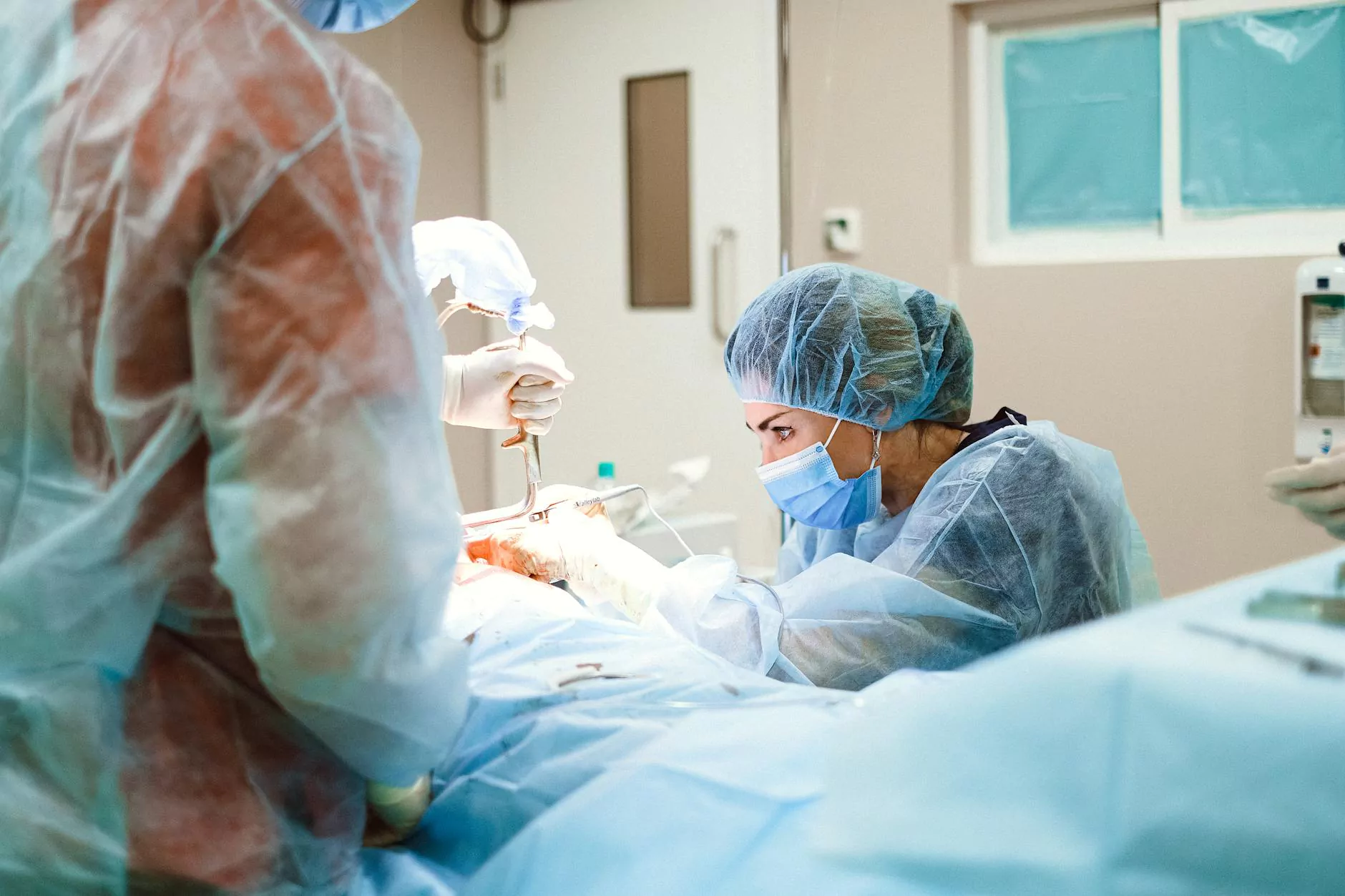
The laparoscopic salpingo oophorectomy is a significant medical procedure aimed at improving women's health. It involves the removal of the fallopian tubes and ovaries using advanced laparoscopic techniques. Understanding the steps and benefits of this procedure can offer valuable insights for patients considering this surgical option. In this article, we will delve into the various procedure steps, potential benefits, risks, and recovery considerations associated with laparoscopic salpingo oophorectomy.
What is Laparoscopic Salpingo Oophorectomy?
Laparoscopic salpingo oophorectomy involves the surgical removal of one or both ovaries and the fallopian tubes using a minimally invasive technique known as laparoscopy. This allows for smaller incisions, less pain, and quicker recovery compared to traditional open surgery.
Why is it Performed?
There are several reasons a healthcare provider may recommend a laparoscopic salpingo oophorectomy:
- Ovarian Cysts: To remove painful or problematic cysts.
- Endometriosis: To treat endometriosis, where tissue similar to the lining of the uterus grows outside the uterus.
- Fertility Issues: In cases of blocked fallopian tubes that may affect fertility.
- Ovarian Cancer: As a preventative or therapeutic measure against ovarian cancer.
Overview of the Procedure
The laparoscopic salpingo oophorectomy procedure consists of several methodical steps, ensuring patient safety and surgical efficacy. Here's a detailed look at the laparoscopic salpingo oophorectomy procedure steps:
Step 1: Preoperative Preparations
Prior to the surgery, the patient will undergo a series of evaluations and preparations, including:
- Medical History Review: Comprehensive assessment of the patient's medical history and current health status.
- Physical Examination: A thorough physical examination by the healthcare provider.
- Lab Tests: Blood tests and imaging studies may be conducted to evaluate the situation.
- Discussion of Anesthesia: The anesthesia team will discuss options and provide details about anesthesia that will be administered during the procedure.
Step 2: Anesthesia Administration
Once preparations are complete, the patient is taken to the operating room where anesthesia is provided. Generally, a general anesthesia is used, making the patient completely unconscious during the procedure.
Step 3: Surgical Incisions
After anesthesia is administered, the surgeon will make small incisions in the abdomen, typically one at the navel and one or two others lower on the abdomen. These incisions are usually about 0.5 to 1 cm long.
Step 4: Insertion of Laparoscope
A laparoscope, which is a long, thin tube equipped with a camera and light, is inserted through the incision. This allows the surgeon to visualize the internal organs on a video monitor.
Step 5: Inflation of the Abdomen
To obtain better visibility, carbon dioxide gas is introduced into the abdominal cavity, which helps to elevate the abdominal wall away from the internal organs.
Step 6: Identification and Removal of Ovaries and Fallopian Tubes
The surgeon carefully identifies the ovaries and fallopian tubes. Using specialized instruments, they will detach these structures from the surrounding tissues and remove them through the incisions.
Step 7: Closure of Incisions
After the removal of the ovaries and fallopian tubes, the surgeon will deflate the abdomen by releasing the carbon dioxide. Finally, the small incisions are closed with sutures or surgical adhesive.
Step 8: Recovery Phase
The patient is then moved to a recovery area where medical staff will monitor vital signs as the anesthesia wears off. The recovery period generally lasts a few hours before the patient can be discharged, depending on individual circumstances.
Benefits of Laparoscopic Salpingo Oophorectomy
Choosing laparoscopic surgery offers several advantages over traditional open surgery:
- Minimally Invasive: Smaller incisions result in less pain and quicker healing.
- Reduced Risk of Infection: Smaller incisions lead to a lower risk of infection post-surgery.
- Shorter Hospital Stay: Many patients can go home the same day or the following day.
- Less Scarring: Cosmetic benefits from smaller scars.
- Faster Recovery: Patients typically resume normal activities sooner than with traditional surgery.
Risks and Considerations
As with any surgical procedure, laparoscopic salpingo oophorectomy carries certain risks, including:
- Bleeding: Potential for excessive bleeding during or after the operation.
- Infection: Risk of infection at the incision sites or internally.
- Damage to Surrounding Organs: Accidental injury to nearby organs such as the bladder or intestines.
- Reactions to Anesthesia: Adverse reactions may occur due to anesthesia.
Recovery After Laparoscopic Salpingo Oophorectomy
The recovery process is crucial to ensure the best outcomes. Here's what patients can typically expect:
- Immediate Post-Operative Care: Vital signs will continue to be monitored in the recovery area.
- Pain Management: Pain medications will be prescribed to manage any discomfort.
- Activity Restrictions: Patients should avoid strenuous activities for several weeks following surgery.
- Follow-Up Appointments: A follow-up visit with the healthcare provider will be necessary to ensure proper healing.
Conclusion
In conclusion, the laparoscopic salpingo oophorectomy procedure steps illustrate a modern surgical approach that prioritizes patient safety and comfort. As awareness grows regarding this procedure, more women are empowered to address their health concerns effectively and efficiently. By understanding the steps involved, potential benefits, risks, and recovery expectations, patients can make informed decisions about their healthcare options.
If you or someone you know is considering this procedure, it is crucial to consult with a qualified healthcare provider to discuss individual circumstances and tailormade care plans. For more information, visit drseckin.com, where healthcare professionals are dedicated to providing exceptional medical services in the fields of health & medical, doctors, and obstetricians & gynecologists.