Nibiru / Journal
The 14 Highest Mountains in the World: An Adventurer's Dream
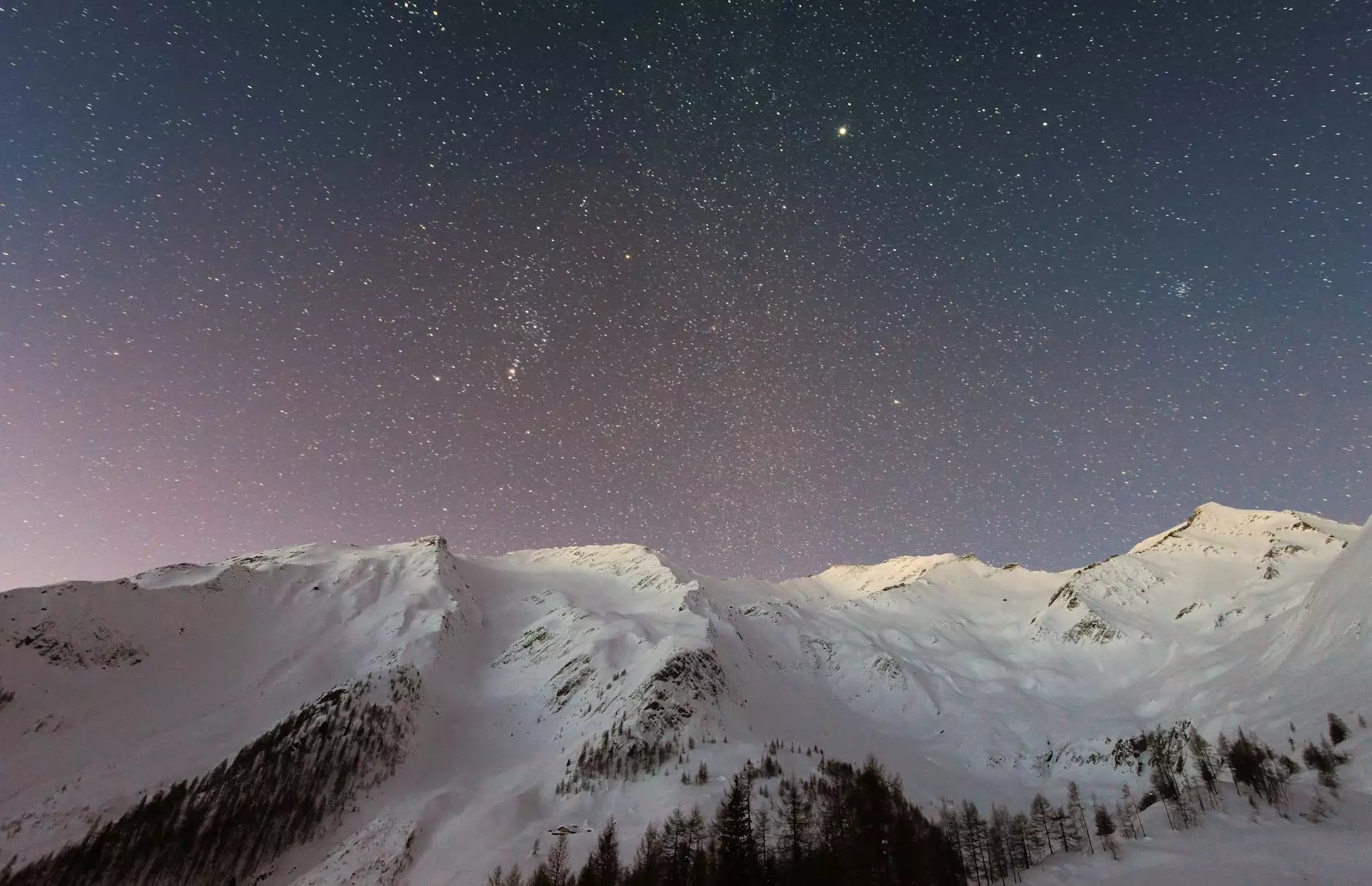
Mountaineering is more than just a passion for climbing; it is a pursuit of adventure, an exploration of nature, and a journey that challenges both the body and spirit. For many, the ultimate quest lies in conquering the world's peaks. Here, we delve into the 14 highest mountains in the world, detailing their remarkable features and the adventures that await you. Whether you're a seasoned climber or someone eager to learn more, this article is your gateway to understanding these towering giants.
An Overview of the Highest Peaks
Rising majestically above the clouds, the world’s highest mountains are not just geographical markers; they are symbols of exploration and triumph. The geography of these summits is as diverse as the climbers who attempt to reach their heights. From the rugged Himalayas to the daunting Karakoram range, each mountain has its own story.
The Challenging Terrain
Climbing these peaks is a test of endurance, intellect, and preparation. The 14 highest mountains present excellent challenges involving severe weather, altitude sickness, and technical climbing skills. Each peak encapsulates the essence of adventure tourism, where expert guides and services, such as those offered by Himalayan Dream, become essential for a safe journey.
1. Mount Everest (8,848.86 m)
The crown jewel of mountaineering is undoubtedly Mount Everest, standing tall at 8,848.86 meters. Nestled in the Himalayas on the border of Nepal and Tibet, Everest attracts thousands of climbers each year. Its challenges include the infamous Khumbu Icefall and the treacherous weather conditions, making it both a dangerous and exhilarating climb.
The Climbing Season
Typically, the best time to attempt Everest is from April to May, when the weather conditions are relatively stable. Many trekkers also journey to the Everest Base Camp before attempting the ascent, sharing in the camaraderie and achievements of fellow adventurers.
2. K2 (8,611 m)
Second only to Everest, K2 is notorious for its difficulty and unpredictable weather. Located on the China-Pakistan border, K2's steep faces and more technical climbs have earned it a reputation as the “Savage Mountain.” It's crucially important to have experienced guides when making this ascent as conditions can change rapidly.
Why Climb K2?
- Beautiful, remote landscapes
- Less crowded than Everest
- A true test of climbing skill
3. Kangchenjunga (8,586 m)
Rising at 8,586 meters, Kangchenjunga is revered as sacred by the locals. Its panoramic views from the summit are breathtaking, often leaving climbers in awe of nature’s splendor. Located on the border of Nepal and India, it presents an unparalleled climbing experience amidst diverse cultural perspectives.
Local Culture and Inspiration
The trekking routes surrounding Kangchenjunga provide insights into the traditions and cultures of the communities living in its shadows. Engaging with locals enhances the experience, providing both adventure and education.
4. Lhotse (8,516 m)
Lhotse, connected to Everest by the South Col, stands at 8,516 meters. Despite its proximity to Everest, Lhotse is less frequented. This peak is known for its impressive south face, which is one of the highest vertical walls on Earth, making it a rewarding challenge for seasoned climbers.
Adventure Awaits
Reaching Lhotse's summit offers stunning views of Everest and the surrounding peaks, making it a sought-after peak for adventurers wishing to experience the Himalayas beyond just Everest.
5. Makalu (8,485 m)
At 8,485 meters, Makalu boasts the shape of a pyramid, with steep ascents and descents making it one of the most challenging climbs in the world. Its remote location in the Himalayas offers an experience that few climbers get to enjoy in the bustling Everest region.
The Unique Experience of Makalu
Makalu’s stunning isolation offers trekkers the chance to experience unrivaled natural beauty and serenity, perfect for those who want to escape the crowds.
6. Cho Oyu (8,188 m)
Cho Oyu, translating to "Turquoise Goddess," reaches 8,188 meters high on the Nepal-Tibet border. It’s known as one of the more accessible 8,000 meter peaks. Many climbers see it as a warm-up for Everest due to its relatively less technical challenge.
Why Choose Cho Oyu?
It offers breathtaking views that inspire climbers while still maintaining challenge, making it a popular choice for experienced climbers and novices alike.
7. Dhaulagiri (8,167 m)
Standing at 8,167 meters, Dhaulagiri is famous for its stunning south face. The mountain lies in Nepal and is often less frequented, providing climbers with the chance to experience an untouched wilderness.
Untouched Natural Beauty
The surrounding valleys and landscapes are rich in flora and fauna, making the trekking experience immensely rewarding for nature lovers.
8. Manaslu (8,163 m)
Manaslu, or "Mountain of the Spirit," stands 8,163 meters tall, and is known for its unique culture and rich history. The trek around Manaslu is an opportunity to immerse yourself in local traditions.
Cultural Exploration and Adventure
Combining culture with climbing, expeditions here often include visits to ancient monasteries and local communities.
9. Nanga Parbat (8,126 m)
Nanga Parbat, the “Naked Mountain,” rises sharply to 8,126 meters in Pakistan. Its Rupal face is one of the tallest in the world, attracting climbers who are ready to take on one of the most challenging climbs.
The Thrill of Nanga Parbat
Nanga Parbat is considered a climber’s mountain. The stark beauty of its landscapes serves as motivation for both climbers and trekkers alike.
10. Annapurna I (8,091 m)
At 8,091 meters, Annapurna I is infamous for its high fatality rate compared to other peaks, making it a respected and daunting climb. Located in Nepal, the mountain’s beauty is matched only by its perilous nature.
The Dangers of Annapurna
Climbers are advised to approach with caution and preparedness while being accompanied by experienced leadership from local companies like Himalayan Dream.
11. Gasherbrum I (8,068 m)
Gasherbrum I stands tall at 8,068 meters, located on the Pakistan-China border. The mountain is recognized for its breathtaking views and challenging conditions, providing one of the most beautiful climbing experiences.
Pure Adventure in the Karakoram
The Karakoram range offers staggering views of the surrounding peaks, which will captivate anyone willing to brave the climb.
12. Broad Peak (8,051 m)
Broad Peak, measuring 8,051 meters, is the 12th highest mountain, lying in Pakistan. It’s known for its broad summit and offers climbers a less technical option for those looking to ascend large peaks.
A Less Technical Ascent
It provides a rewarding experience for climbers of varying skills and is often considered a gateway to the higher mountains.
13. Gasherbrum II (8,035 m)
Gasherbrum II, with its height of 8,035 meters, attracts climbers seeking to conquer one of the major peaks in the Karakoram range. Its beauty lies in its symmetry and steep ascents, providing a rewarding challenge.
The Journey to Gasherbrum II
This mountain offers a sense of achievement for climbers at its summit due to the effort required to reach it.
14. Shishapangma (8,027 m)
Shishapangma, the last of the 14 highest mountains, reaches 8,027 meters and is wholly located in Tibet. It’s less frequented, ideal for seasoned climbers who seek solitude and adventure beyond the usual peaks.
Climbing Shishapangma
The challenges and remote environment complement the thrill of reaching its summit, making it a coveted goal among the adventurous.
Planning Your Adventure
As you consider tackling the 14 highest mountains in the world, thorough preparation is paramount. Here are a few steps to guide your planning:
- Research each mountain to understand its unique challenges and terrain.
- Connect with reputable climbing services like Himalayan Dream for expert guides.
- Prepare both physically and mentally for the demands of high-altitude climbing.
- Acquire the proper gear and acclimatization training.
- Understand the cultural nuances of the regions you will visit.
Conclusion: The Call of the Mountains
The allure of the world's highest peaks is undeniable. They challenge our limits, teach resilience, and provide some of the most spectacular views on the planet. Whether it is reasoning with the cold winds of K2, witnessing the sunrise from Everest, or standing among the untouched beauty of Annapurna, every ascent offers a profound experience.
With the right guidance and an adventurous spirit, tackling the 14 highest mountains in the world can transform your life and deepen your connection with nature. Join the thriving community of climbers who embrace these majestic giants and let Himalayan Dream usher you into your next adventure!