Nibiru / Journal
Effective Grain Weevil Control Strategies for Farmers
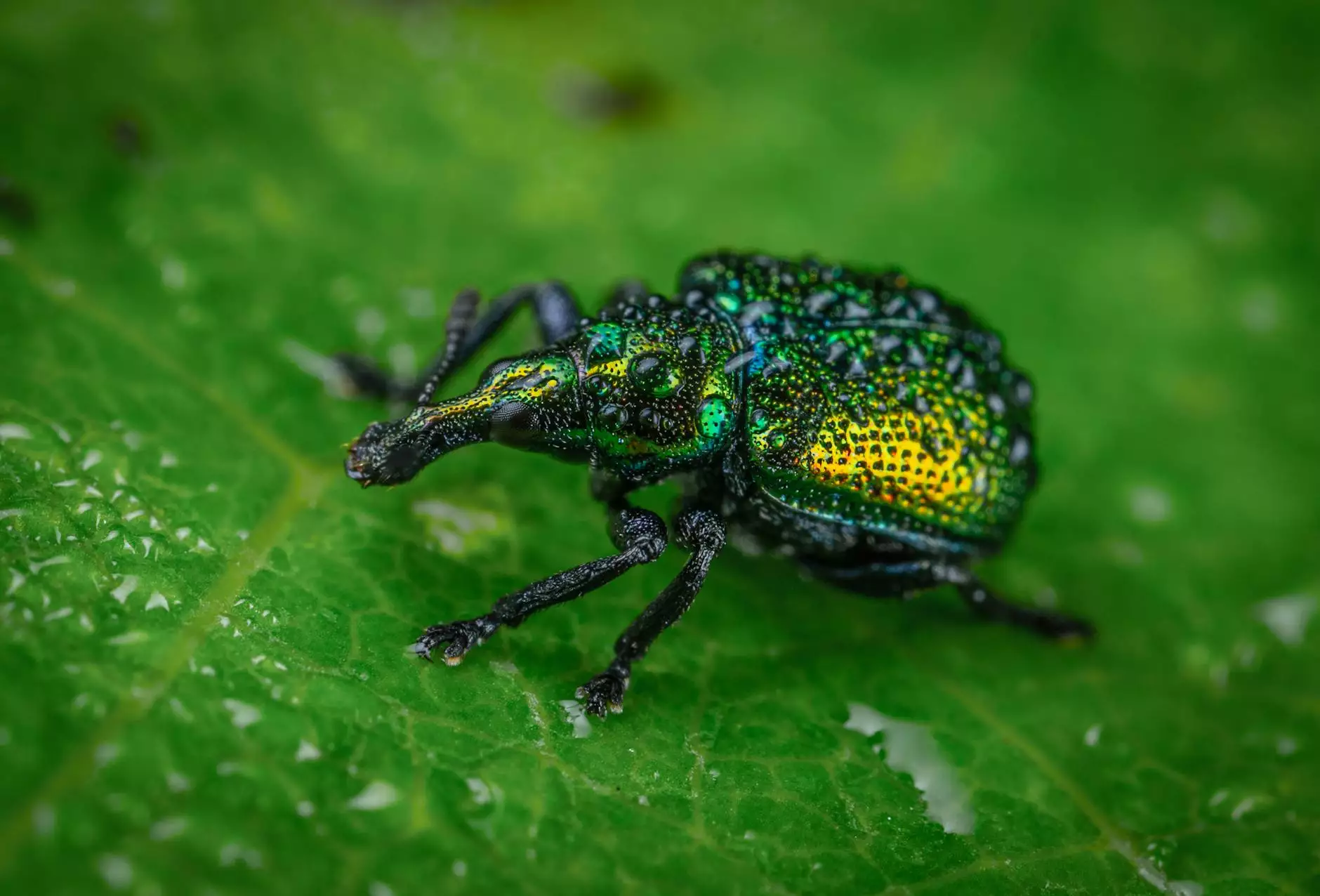
In the realm of agriculture, grain weevil control is crucial for maintaining the quality of our harvests and ensuring the longevity of storage facilities. Grain weevils, particularly the *Sitophilus granarius* and *Sitophilus oryzae*, pose significant threats to grains such as wheat, corn, and rice. This article presents a comprehensive guide to effectively manage and control grain weevils, ensuring the best outcomes for your farm.
Understanding Grain Weevils
Grain weevils are small beetles, typically measuring between 2.5 to 5 mm in length. Their presence can be detrimental, causing economic loss to farmers and grain producers. Understanding their biology and behavior is essential for effective control.
Life Cycle of Grain Weevils
The life cycle of grain weevils consists of four stages: egg, larva, pupa, and adult. Each stage contributes to the potential for damage:
- Egg Stage: Female weevils lay eggs in grains.
- Larva Stage: Eggs hatch into larvae, which burrow into the grain, feeding on the starch.
- Pupa Stage: After sufficient feeding, larvae pupate within the grain.
- Adult Stage: Adults emerge, ready to reproduce and continue the cycle.
Signs of Infestation
Identifying the signs of a grain weevil infestation is taking the first step towards effective control. Here are some common indicators:
- Presence of small holes in stored grains.
- Accumulation of fine grain dust, indicating feeding activity.
- Live or dead adult weevils in your grain storage areas.
- Changes in the texture and quality of the grain, often resulting in a musty smell.
Prevention Strategies for Grain Weevil Control
The best approach to grain weevil control begins with prevention. Below are effective strategies to minimize the risk of infestation:
1. Proper Storage Techniques
Utilizing proper storage techniques is essential. Here are some tips for optimal storage:
- Store grains in sealed containers to prevent weevil access.
- Maintain a cool, dry environment since humidity attracts weevils.
- Implement regular inspections of grain storage units.
2. Regular Cleaning and Maintenance
Keeping your storage areas clean is vital. Ensure you:
- Regularly clean up spilled grains.
- Vacuum and sanitize storage bins and surrounding areas.
- Check and replace any damaged or worn storage materials.
3. Crop Rotation and Field Management
Implementing crop rotation can help disrupt the life cycles of grain weevils. Additionally, maintaining healthy soil and managing irrigation carefully will create a less favorable environment for infestations.
Detection Methods for Grain Weevil Infestation
Effective grain weevil control relies on timely detection. Below are methods to identify potential grain weevil populations:
1. Visual Inspections
Conduct regular visual inspections of stored grains and surrounding areas. Look for signs like live insects, larvae, and grain damage.
2. Traps
Using traps can help monitor the presence of grain weevils. Sticky traps baited with pheromones can attract adult weevils and provide an early warning system for infestations.
Treatment Options for Grain Weevil Infestation
If you detect an infestation, immediate action is required. Here are some effective treatment options for grain weevil control:
1. Insecticides
Utilizing commercially available *insecticides* can effectively reduce adult populations. Always follow the manufacturer's instructions to ensure safety and compliance.
2. Heat Treatment
Heat treatment involves raising the temperature of the infested grains to a level that is lethal to weevils. This green method does not leave harmful residues.
3. Freezing
If feasible, placing infested grains in a freezer for several days can kill all life stages of the weevils.
4. Fumigation
Utilizing fumigation as a last resort can penetrate stored grains deeply. It is a highly effective method but should only be performed by trained professionals.
Long-Term Management Strategies
For sustainable grain weevil control, consider these long-term management strategies:
1. Integrated Pest Management (IPM)
Implementing an Integrated Pest Management (IPM) strategy combines preventive measures, monitoring, and treatment. This holistic approach leads to more effective long-term control.
2. Education and Training
Stay informed about the latest pest control techniques through regular education and training sessions. Knowledge is power when it comes to keeping grain weevils at bay.
3. Collaborate with Specialists
Don’t hesitate to reach out to pest management professionals or agronomists for specific advice and tailored control measures. Their expertise can provide unique insights into effective grain weevil control tailored to your specific circumstances.
Conclusion
In conclusion, effective grain weevil control is essential for maintaining the quality of your harvest and safeguarding your grain storage. By implementing a proactive approach consisting of prevention, early detection, treatment, and long-term management, farmers can successfully protect their crops from the threat of grain weevils. Now is the time to take action and ensure your farming equipment and stored grains are free from these damaging pests.
Additional Resources
For further reading and resources on grain weevil control and pest management:
- TSGC Inc: Farming Equipment
- TSGC Inc: Farm Equipment Repair
- Agricultural Extension Services
- EPA Pesticides Overview