Nibiru / Journal
The Essentials of Medical Drugs: Understanding Their Impact on Health
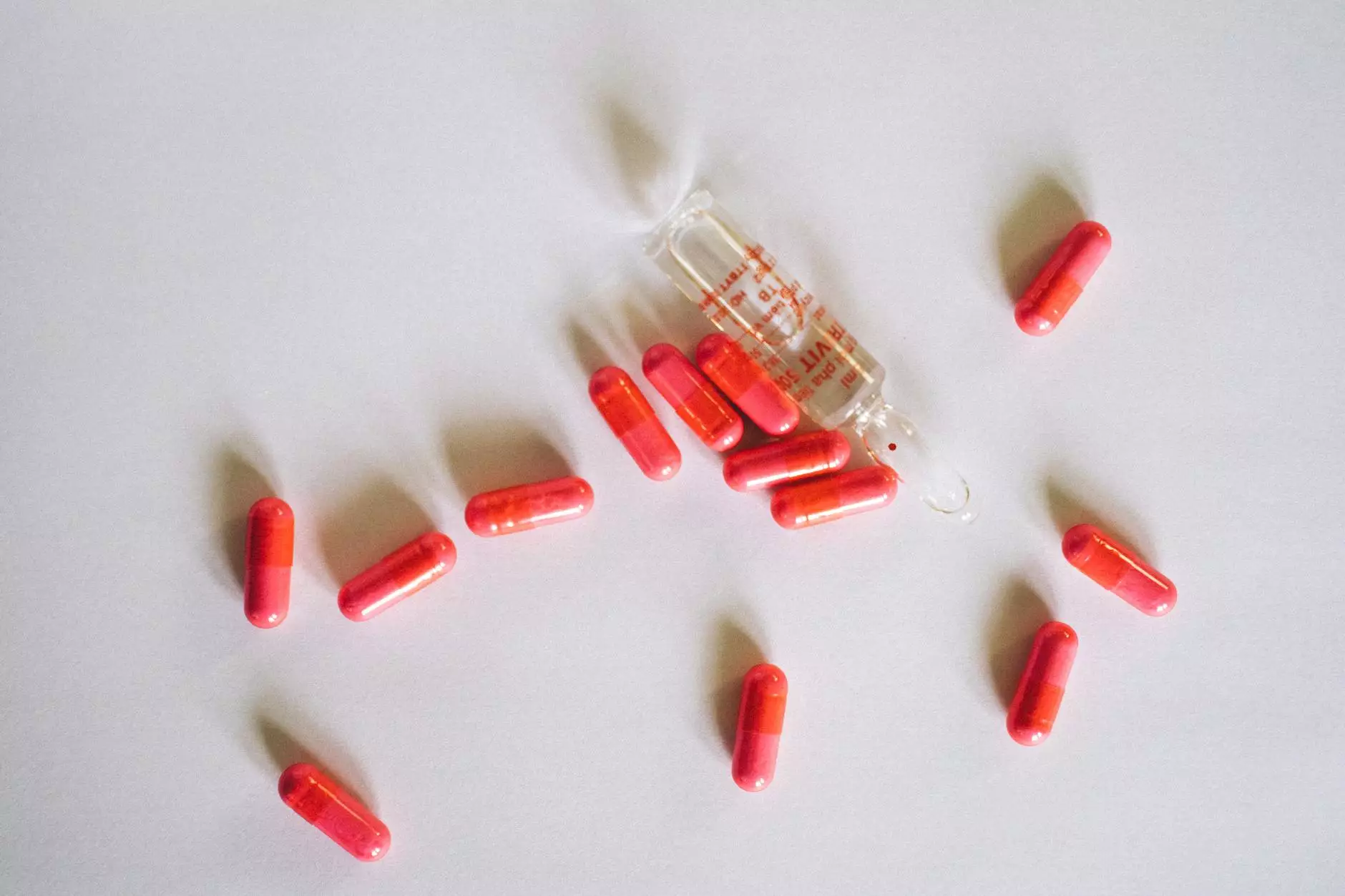
In the modern world, the role of medical drugs cannot be overstated. They are pivotal in treating ailments, managing chronic conditions, and enhancing overall well-being. From prescription medications to over-the-counter solutions, understanding the various types of medical drugs available is crucial for both consumers and healthcare professionals alike. This article delves into the various aspects of medical drugs, their categories, classifications, and their importance in the field of health and medical care.
The Definition and Importance of Medical Drugs
Medical drugs are substances used to diagnose, treat, or prevent disease. They can play roles in altering body functions, managing symptoms, and improving quality of life. Medical drugs are classified into various categories, including:
- Prescription Drugs: Medications that require a healthcare provider's authorization before use.
- Over-the-counter (OTC) Drugs: Medications dispensed without a prescription, available for easier access.
- Generic Drugs: Copies of brand-name drugs that are equivalent in dosage form, strength, and intended use.
- Biologics: Products derived from living organisms, used in treatment protocols for various diseases.
Classification of Medical Drugs
The classification of medical drugs is essential for understanding their use and potential effects. Medications are commonly categorized based on their therapeutic use, mechanism of action, and chemical structures. Here are the primary classifications:
By Therapeutic Use
Medical drugs can be grouped by the health conditions they treat, such as:
- Analgesics: Relieve pain (e.g., ibuprofen, acetaminophen).
- Antibiotics: Fight bacterial infections (e.g., amoxicillin, azithromycin).
- Antihypertensives: Lower blood pressure (e.g., lisinopril, amlodipine).
- Antidepressants: Treat depression and anxiety disorders (e.g., serotonin reuptake inhibitors).
By Mechanism of Action
Another way to classify medical drugs is by how they work in the body, including:
- Agonists: Activate receptors to produce a biological response (e.g., morphine).
- Antagonists: Block receptors or cellular processes (e.g., naloxone).
By Chemical Structure
Some medications are also classified based on their chemical structure, such as:
- Chemical Parent Class: Similar structure (e.g., steroids).
- Biological Classification: Based on the source (e.g., synthetic vs. natural).
How Medical Drugs are Developed
The development of medical drugs is a complex, multi-step process that involves rigorous testing and regulation. Here is an overview of the process:
1. Discovery and Development
Drug discovery begins with identifying potential compounds that may have therapeutic effects. Researchers conduct extensive screening and preliminary tests to narrow down candidates for further development.
2. Preclinical Testing
Before testing on humans, drugs undergo preclinical testing through laboratory and animal studies to determine their safety and efficacy.
3. Clinical Trials
Clinical trials proceed in three phases, each with increasing numbers of participants. These trials assess the drug's effectiveness, optimal dosing, and side effects:
- Phase 1: Tests safety on a small group of healthy volunteers.
- Phase 2: Checks effectiveness on a larger group of patients with the targeted condition.
- Phase 3: Compares the new drug against standard treatments in diverse populations.
4. Regulatory Approval
Post-trials, drug manufacturers submit a New Drug Application (NDA) to regulatory bodies like the FDA, which evaluates the drug's safety and efficacy before approval.
The Role of Pharmacies in Dispensing Medical Drugs
Pharmacies play a crucial role in the distribution and dispensation of medical drugs. As accessible healthcare professionals, pharmacists ensure that patients receive the correct medications, dosages, and counseling.
1. Prescription Verification
Pharmacists verify prescriptions to ensure they are legitimate, safe, and appropriate for the patient's condition, considering potential drug interactions and allergies.
2. Patient Education
Education is vital in pharmacy practice. Pharmacists inform patients about:
- Proper medication usage and adherence.
- Possible side effects and interactions.
- Storage and disposal methods
3. Medication Management
Pharmacists offer medication management services, especially for patients with chronic diseases. This ensures ongoing monitoring and adjustments to optimize treatment outcomes.
The Importance of Medical Supplies
In addition to medical drugs, medical supplies are essential for effective treatment and care. These include:
- Diagnostic Tools: Devices like thermometers and blood pressure monitors.
- Treatment Supplies: Items used in direct patient care, such as bandages and syringes.
- Durable Medical Equipment: Items like wheelchairs and hospital beds that aid in patient mobility and recovery.
Future Trends in Medical Drug Development
The landscape of medical drugs is constantly evolving. Emerging trends that are shaping the future include:
1. Personalized Medicine
Personalized medicine tailors treatments based on individual genetic profiles and biomarkers. This approach maximizes efficacy and minimizes side effects.
2. Telepharmacy
With the rise of telehealth, telepharmacy allows for remote consultations and medication delivery, enhancing access to healthcare services.
3. Biotechnology Innovations
Advancements in biotechnology create opportunities for new classes of treatments, including gene therapies and monoclonal antibodies, expanding therapeutic options.
Conclusion
In summary, medical drugs play an indispensable role in healthcare, contributing significantly to disease management and prevention. As consumers, it is vital to stay informed about the medications we use and to understand their impact on our health. Education, access to quality pharmacy services, and the continued advancement of medical supplies are crucial for optimal health outcomes. Embracing innovations in the medical field will ensure better management of health and wellness for future generations.
For comprehensive information and services related to health, pharmacy, and medical supplies, visit GibsonMaxUp.