Nibiru / Journal
The Business of Gastronomy: Insight Through the Arabesque Window
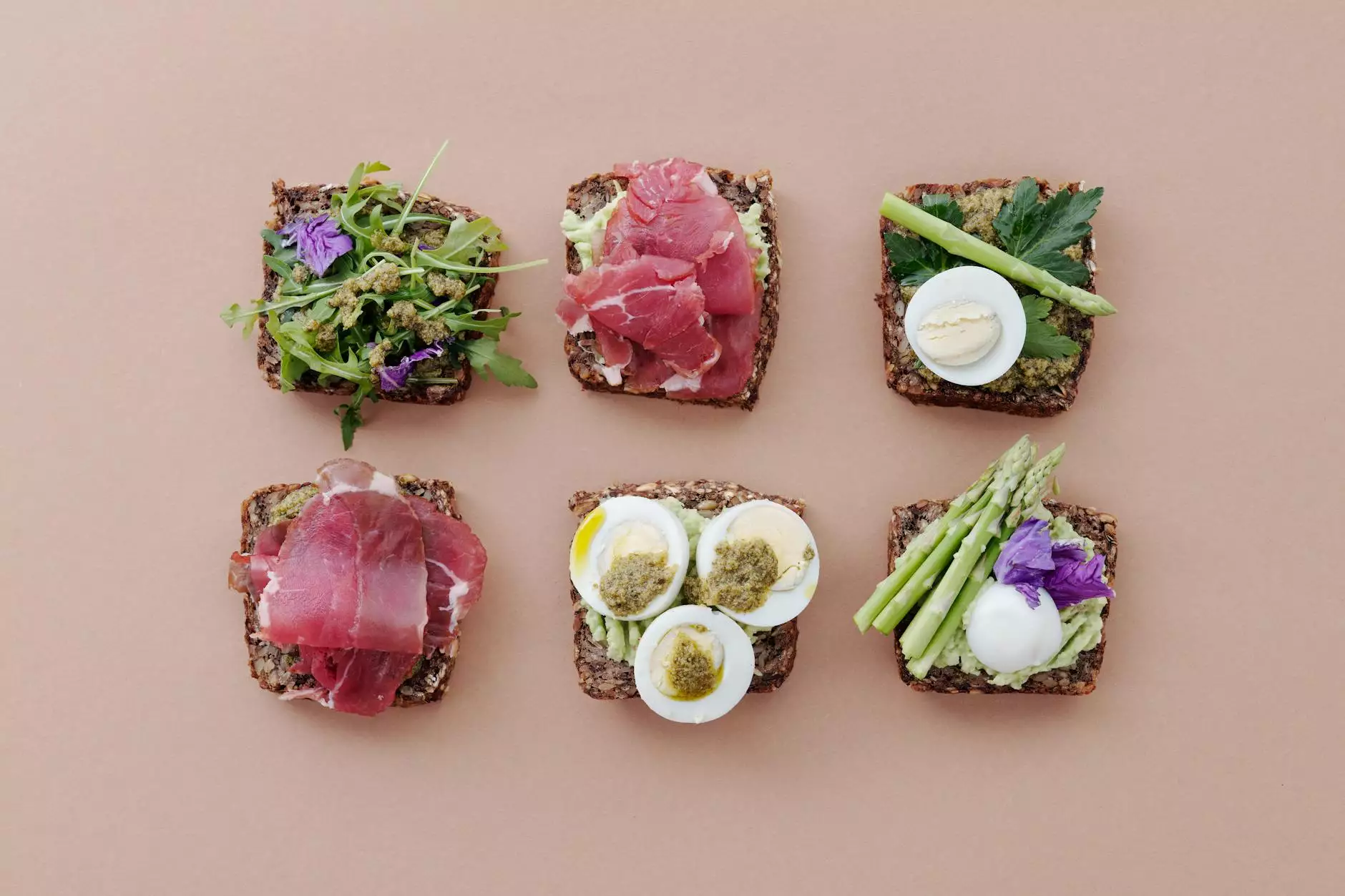
The gastronomic landscape is constantly evolving, presenting exciting opportunities for entrepreneurs, restaurateurs, and food enthusiasts alike. Through the arabesque window, we can gain a deeper understanding of the dynamics of the restaurant and bar industry, exploring how innovative concepts, strong branding, and exceptional service contribute to the thriving businesses in this sector.
The Essence of Gastronomy
At its core, gastronomy is not just about food; it embodies a rich tapestry of culture, tradition, and creativity. It involves the study of food and culture, highlighting the cultural significance of culinary practices. In recent years, the influence of global culinary arts has led to a significant rise in fusion cuisine, where various culinary traditions blend to create something new and unique. This trend is particularly vibrant in urban areas where diversity flourishes.
Restaurant Business Models: A Variety of Options
The restaurant industry offers a wide range of business models, each catering to different consumer needs and preferences. Below are some popular models:
- Full-Service Restaurants: These establishments offer a complete dining experience with menu variety and dedicated service.
- Fast Casual: This model bridges the gap between fast food and fine dining, providing high-quality food with quick service.
- Food Trucks: These mobile kitchens offer affordable gourmet options and can easily adapt to local demand.
- Catering Services: Catering businesses focus on delivering food services for events and gatherings, showcasing culinary versatility.
- Ghost Kitchens: A trend that has risen recently, ghost kitchens operate without a physical dine-in space, focusing solely on delivery.
Why Branding Matters in the Restaurant Industry
A strong brand identity is vital for any restaurant or bar looking to make a mark in the competitive landscape. An effective brand tells a story, resonates with the target audience, and establishes a connection. Brands like Starbucks have thrived not just due to their coffee but their profound brand narrative and atmosphere.
Key elements of successful branding include:
- Logo and Design: An appealing logo and cohesive design can create a memorable first impression.
- Consistent Messaging: The communication style and tone should consistently reflect the brand’s core values and mission.
- Customer Engagement: Engaging customers through social media and events can enhance loyalty and increase visibility.
The Impact of Technology on Restaurants and Bars
In today's digital age, technology plays an integral role in shaping the restaurant experience. The implementation of technology enhances operational efficiency and customer interactions. Here are some technological trends transforming the industry:
- Online Ordering and Delivery Services: Platforms like UberEats and DoorDash have revolutionized how customers access food, making it more convenient than ever.
- Reservation Systems: Automated reservation systems help manage customer flows and enhance the dining experience.
- Point of Sale (POS) Systems: Modern POS systems streamline operations, from ordering to payment processing, increasing overall efficiency.
- Social Media Marketing: Leveraging social media allows restaurants to showcase their dishes and actively engage with their audience.
Exploring Culinary Trends Through the Arabesque Window
The culinary world thrives on trends that reflect changing tastes and preferences. Through the arabesque window, we can explore some of the most intriguing trends shaping today's food and beverage scene.
Plant-Based Revolution
As consumers increasingly embrace healthier lifestyles, the demand for plant-based options continues to surge. Restaurants are adapting by offering innovative vegetarian and vegan dishes that are both delicious and visually appealing. This trend not only caters to dietary preferences but also promotes sustainability and healthy living.
Experiential Dining
Today’s diners seek more than just a meal; they are searching for experiences that engage all their senses. Establishments that provide unique atmospheres and interactive dining experiences tend to attract larger crowds. This can range from themed restaurants to pop-up dining events where guests can partake in the creation of their food.
Marketing Strategies for Restaurants and Bars
Effective marketing is crucial to the success of restaurants and bars. Here are several strategies to capture customer attention and drive traffic:
- Local SEO: Optimize your website for local search to attract nearby customers searching for dining options.
- Email Marketing: Build an email list to share promotions and updates, encouraging repeat business.
- Influencer Collaborations: Partner with local influencers to reach broader audiences and increase brand awareness.
- Content Marketing: Create engaging content about your restaurant's story, menu highlights, and community involvement.
The Importance of Customer Experience
Customer experience is pivotal in retaining customers and encouraging positive reviews. From the moment a diner enters the restaurant to the time they leave, every interaction plays a part in shaping their perception. It’s essential to focus on:
- Ambiance: The setting should reflect the restaurant’s theme and appeal to the target demographic.
- Service Quality: Training staff to provide attentive and friendly service can significantly enhance the dining experience.
- Feedback Channels: Encouraging and acting on customer feedback shows that the business values its patrons’ opinions.
Navigating Challenges in the Restaurant Industry
Like any business, the restaurant industry faces its unique set of challenges. Here are some common obstacles and strategies to overcome them:
- Sourcing Quality Ingredients: Establish reliable relationships with local suppliers to ensure ingredient quality and freshness.
- Staffing Issues: Create a positive work environment and offer competitive wages to attract and retain talent.
- Adapting to Market Changes: Stay informed about industry trends and be flexible to adapt business practices accordingly.
Future of the Restaurant and Food Business
The future of dining is undoubtedly bright, with avenues for innovation boundless. As we peer through the arabesque window, the potential for new culinary concepts, technology integration, and customer engagement strategies appears limitless. Here are some emerging trends that may shape the future:
- Health-Conscious Menus: Continued focus on wellness will drive offerings featuring locally sourced and organic ingredients.
- Sustainable Practices: Implementing eco-friendly practices will appeal to environmentally conscious consumers.
- Virtual Reality Experiences: Technology could redefine dining through immersive experiences that elevate the immersive aspect of the dining journey.
Conclusion: Embracing Opportunities in the Restaurant Business
As the landscape of the restaurant and bar industry continues to evolve, entrepreneurs who embrace change and innovation will undoubtedly reap the benefits. Whether through an authentic dining experience, leveraging technology, or focusing on sustainability, the opportunities for success in this vibrant industry are vast. Looking through the arabesque window, it’s clear that the business of gastronomy is not just about food—it's about creating memorable experiences that leave a lasting impact on customers.