Nibiru / Journal
Learn to Groom Dogs: A Comprehensive Guide for Pet Enthusiasts
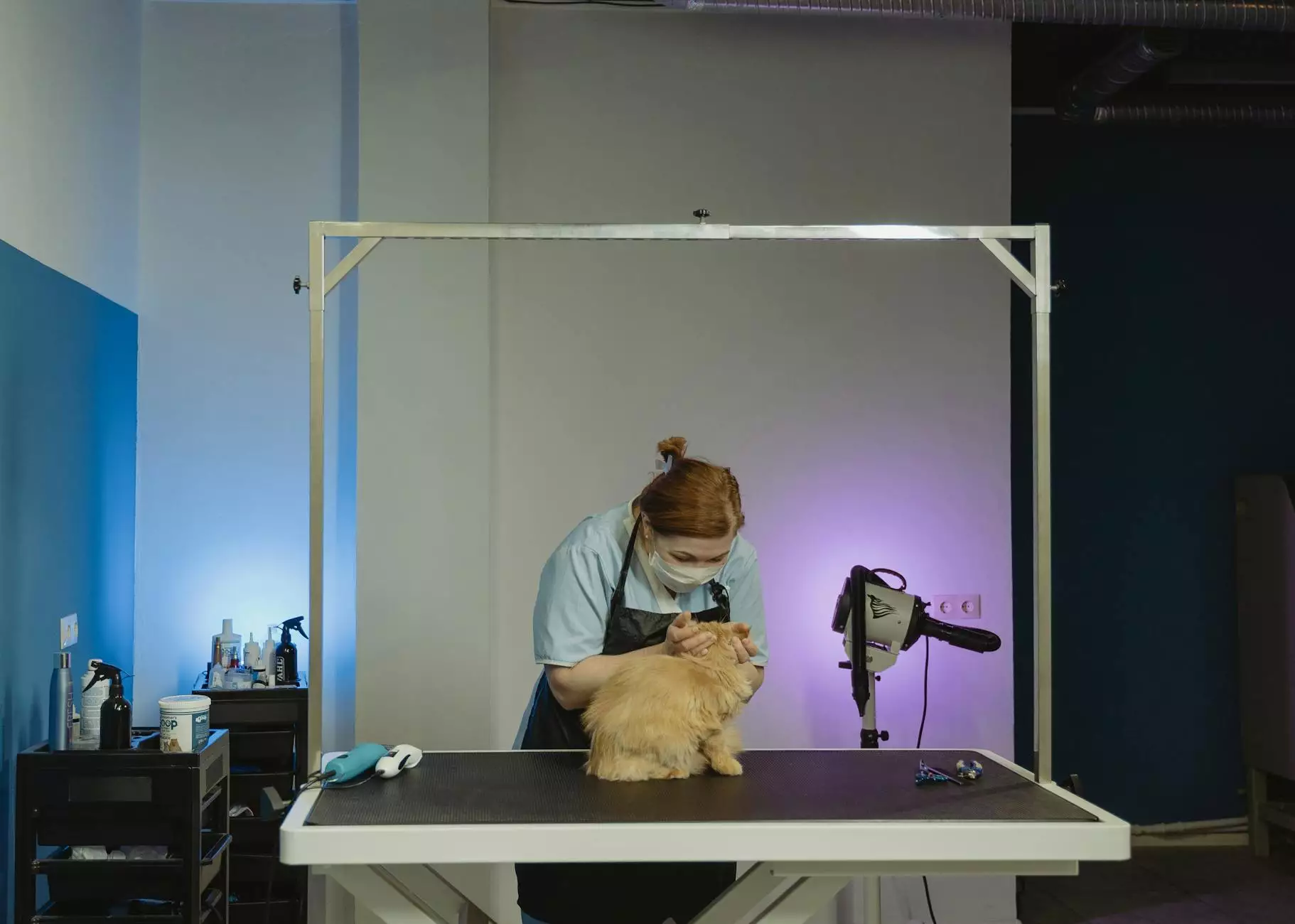
If you possess a love for dogs and aspire to turn that passion into a thriving business or enhance your pet care services, it’s time to learn to groom dogs effectively. Dog grooming is a rewarding endeavor that not only improves the health and well-being of our furry friends but also offers a fulfilling career opportunity in the pet services sector.
The Importance of Dog Grooming
Grooming is an essential part of maintaining a dog’s overall health. Here are some vital reasons why you should prioritize grooming:
- Health Benefits: Regular grooming can prevent skin infections, matting, and parasites like fleas and ticks.
- Enhanced Bonding: Grooming enables you to bond with your dog, building trust and affection.
- Prevention of Pain: Mats and tangles can cause discomfort and pain; grooming helps avoid such issues.
- Presentation: Well-groomed dogs are not only healthier but also look more appealing.
Key Grooming Tools and Supplies
To properly learn to groom dogs, it’s imperative to be familiar with the right tools. Below is a list of essential grooming supplies that every groomer should have:
- Brushes: Different types for different coats, such as pin brushes, slicker brushes, and bristle brushes.
- Combs: A good comb will help you detangle knots and is crucial for double-coated breeds.
- Clippers: Electric clippers can help trim thick fur quickly and uniformly.
- Scissors: Shears and thinning scissors for detailed and precise cutting.
- Nail Trimmers: Essential for keeping your dog’s nails at a healthy length.
- Shampoo and Conditioner: Choose products formulated specifically for dogs to maintain their skin health.
- Drying Tools: High-velocity dryers or towels to remove excess water after bathing.
Understanding Dog Coat Types
Different breeds come with various coat types, which determine their grooming needs. Here's a brief overview of common coat types:
1. Short-Coated Breeds
Breeds like Beagles and Boxers have short hair that requires minimal grooming. Regular brushing helps eliminate dead hair and stimulate skin oils for a healthy coat.
2. Long-Coated Breeds
Dogs like the Golden Retriever need regular brushing to prevent tangles and mats. A thorough grooming routine involves brushing several times a week and regular baths.
3. Curly-Coated Breeds
Breeds such as Poodles require specialized grooming techniques to keep their curly coats free from mats and tangles. Regular trimming and professional grooming are recommended.
4. Double-Coated Breeds
Breeds like the Siberian Husky have a thick, insulating undercoat that sheds heavily. Learning the correct technique to remove the undercoat is crucial for their comfort and health.
Mastering Grooming Techniques
To learn to groom dogs effectively, you need to understand various grooming techniques. Here are the fundamental areas to focus on:
Bathing
Bathing your dog is a craft in itself. Here is a step-by-step guide:
- Prepare: Gather all your grooming tools and find a bathing area that is safe and comfortable for your dog.
- Brush Before Bathing: Remove tangles and debris to facilitate easier bathing.
- Wet the Coat: Use a handheld sprayer or a cup to gently wet the fur without startling your dog.
- Apply Shampoo: Use a dog-safe shampoo, lather well, and ensure it reaches the skin.
- Rinse Thoroughly: Use ample water until no shampoo remains, as residues can irritate the skin.
- Condition: Apply conditioner to maintain coat softness, then rinse again.
Nail Trimming
Trimming your dog’s nails can be daunting. Follow these tips for success:
- Use the right tools; look for sharp, high-quality nail trimmers.
- Introduce the clippers gradually to your dog, using positive reinforcement.
- Trim just the tip of the nail, avoiding the quick (the pink part inside the nail).
Ear and Teeth Care
Maintaining ear hygiene and dental health is crucial. Here are some tips:
- Check ears regularly for wax buildup or infection; clean with a vet-approved solution.
- Brush teeth using a dog toothbrush and toothpaste designed for dogs.
Grooming for Different Breeds
As you learn to groom dogs, understanding each dog's specific needs is vital. Consider these breed-specific grooming tips:
For Poodles
Poodles need regular trimming to maintain their coat. It's often suggested to seek professional grooming every 6-8 weeks.
For Golden Retrievers
These dogs require frequent brushing, especially during the shedding seasons. A de-shedding tool can be a lifesaver.
Starting Your Dog Grooming Business
If you're passionate about grooming, starting your own dog grooming business can be an excellent opportunity. Consider these steps:
Business Setup
Establish a business plan, and make decisions about whether you will operate from home or open a storefront. Obtain the necessary licenses and insurance.
Marketing Your Services
Utilize social media, local advertising, and word-of-mouth to reach potential customers. Creating an eye-catching website is crucial in today’s digital age.
Continuous Education
Stay updated with the latest grooming techniques and trends by attending workshops, seminars, or online courses.
Conclusion: Your Path to Becoming a Skilled Dog Groomer
Learning to groom dogs is a multifaceted process that requires a blend of knowledge, skills, and a genuine love for animals. By leveraging the information, techniques, and wisdom shared in this article, you can embark on your journey to becoming a proficient dog groomer.
Whether you're providing grooming services at a local animal shelter or launching your dog grooming business, the rewards are immense. As you become proficient in the art of dog grooming, you’ll not only contribute to the happiness and health of dogs but also find fulfillment in your work.