Nibiru / Journal
Understanding Laparoscopic Unilateral Oophorectomy: A Breakthrough in Women's Healthcare
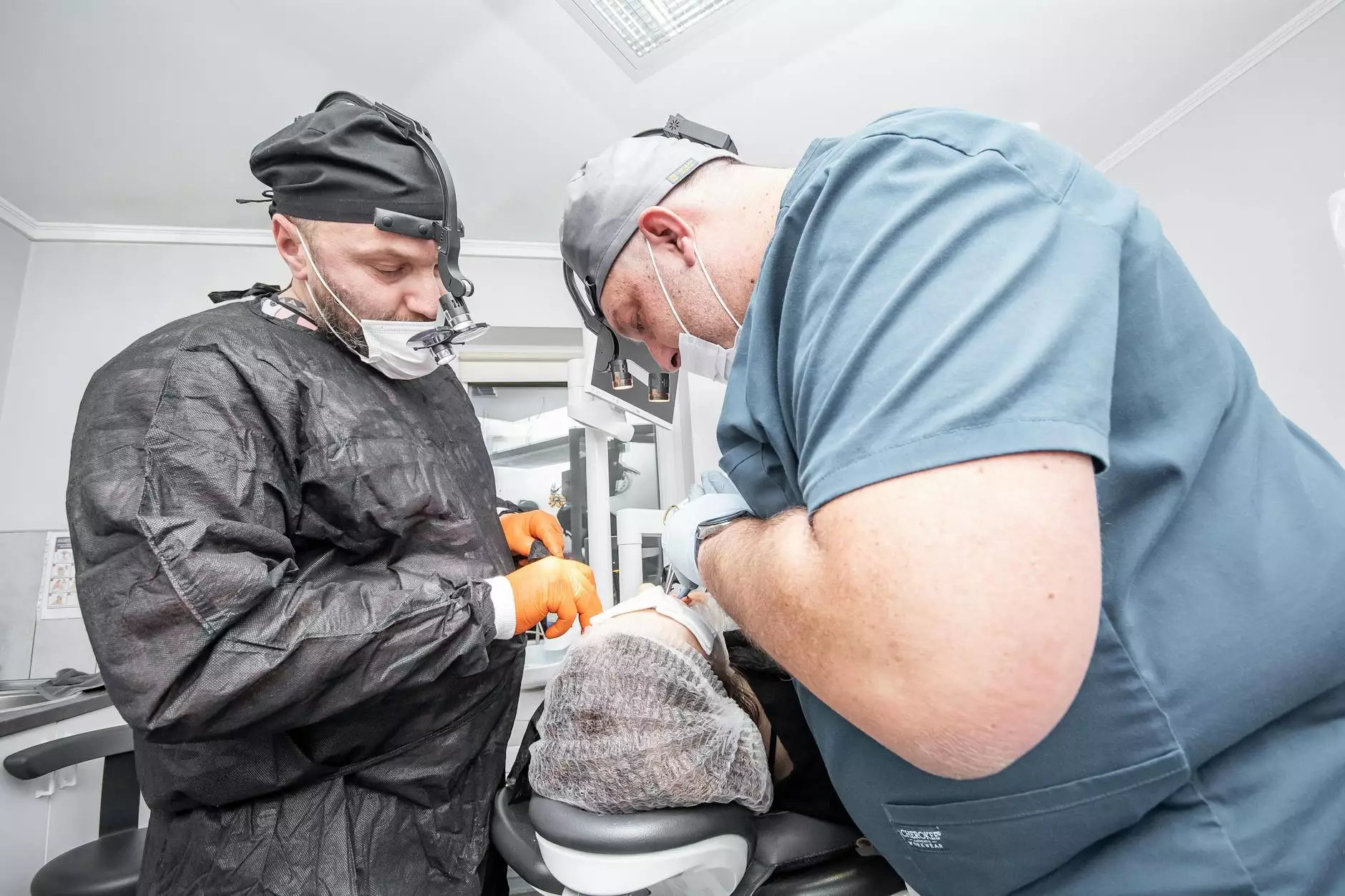
In the realm of modern gynecological surgery, laparoscopic unilateral oophorectomy stands out as an innovative minimally invasive procedure that offers women effective treatment options while minimizing discomfort and recovery time. As a leading provider of women's health services, the expert obstetricians and gynecologists at drseckin.com are committed to delivering the highest standard of care, leveraging the latest advancements in surgical technology.
What is Laparoscopic Unilateral Oophorectomy?
Laparoscopic unilateral oophorectomy is a surgical procedure involving the removal of one ovary using laparoscopic techniques. 'Unilateral' indicates that only one ovary is removed, as opposed to bilateral procedures where both ovaries are excised. This surgical intervention is primarily indicated for various ovarian pathologies, including benign cysts, ovarian tumors, endometriosis involving the ovary, or in some cases, ovarian cancer.
Compared to traditional open surgeries, laparoscopic techniques provide a less invasive approach. Small incisions, typically less than 1 cm, are made in the abdomen, through which a camera and specialized surgical instruments are inserted. This allows surgeons to visualize the ovaries directly and remove the affected tissue with precision.
Indications for Laparoscopic Unilateral Oophorectomy
Deciding to proceed with a laparoscopic unilateral oophorectomy depends on specific medical indications, including:
- Benign ovarian cysts that do not resolve with conservative management
- Ovarian tumors identified via imaging or biopsy that pose a risk of malignancy
- Endometriomas causing symptoms or infertility issues
- Ovarian torsion, where the ovary twists on its ligament, compromising blood flow
- Early-stage ovarian cancer, where removal of the affected ovary may be part of a comprehensive treatment plan
The Surgical Procedure: Step-by-Step Insights
Understanding the detailed process of laparoscopic unilateral oophorectomy is crucial for patients considering their options. The procedure involves several carefully orchestrated steps:
Preoperative Preparation
Before surgery, women typically undergo a comprehensive evaluation including imaging studies like ultrasound or MRI, blood tests, and sometimes biopsies. Fasting is required, and anesthesia assessments are performed to ensure patient safety.
Performing the Surgery
- Anesthesia: The patient is administered general anesthesia to ensure comfort and immobility throughout the procedure.
- Creating Access: Surgeons make small incisions in the lower abdomen to insert the laparoscope and surgical instruments.
- Visualization and Assessment: The laparoscope provides real-time images, enabling surgeons to examine the pelvic cavity thoroughly.
- Identifying the Ovary: The targeted ovary is carefully identified, with attention to its size, location, and any pathological changes.
- Dissection and Removal: The blood vessels and ligaments supplying the ovary are meticulously ligated, and the ovary is detached and removed through an incision or via a specialized retrieval bag.
- Ensuring Hemostasis and Closure: Bleeding points are controlled, and the small incisions are closed with sutures or adhesive strips.
Benefits of Laparoscopic Unilateral Oophorectomy Over Traditional Surgery
The emergence of laparoscopic techniques has revolutionized gynecological surgery, offering numerous advantages:
- Minimally invasive approach with smaller incisions leading to less scarring
- Reduced postoperative pain and discomfort
- Shorter hospital stays—many patients go home the same day or after an overnight stay
- Faster recovery and return to daily activities
- Enhanced visualization of pelvic structures, leading to more precise excisions
- Lower risk of postoperative adhesions, which can affect fertility and cause chronic pain
Postoperative Care and Recovery
Following laparoscopic unilateral oophorectomy, patients typically experience a smooth recovery process. Key aspects include:
- Pain management: Mild analgesics are usually sufficient for postoperative pain control.
- Activity restrictions: Patients are advised to avoid strenuous activity for at least a week and refrain from heavy lifting.
- Incision care: Keeping the small surgical sites clean and dry to prevent infection.
- Monitoring symptoms: Watch for signs of infection, excessive bleeding, or unusual symptoms, and report them promptly.
- Follow-up consultations: Essential for assessing healing and discussing histopathology results if applicable.
Potential Risks and Complications
While laparoscopic unilateral oophorectomy is considered safe, it carries some risks, including:
- Bleeding or hematoma formation
- Injury to adjacent organs such as the bladder or bowel
- Anesthesia-related complications
- Infection at the incision sites
- Ovary remnant issues, although rare, such as residual ovarian tissue causing symptoms
- Impact on hormonal balance when only one ovary is removed, as the remaining ovary continues to produce hormones effectively in most cases
Why Choose Expert Obstetricians & Gynecologists at drseckin.com
Finding a trusted medical team is foundational to successful outcomes in gynecological surgeries like laparoscopic unilateral oophorectomy. The team at drseckin.com excels in:
- Personalized patient care: Tailored treatment plans based on individual needs and health conditions
- State-of-the-art surgical techniques: Utilizing the latest laparoscopic technology for precision and safety
- Comprehensive pre- and post-operative support: Ensuring patient comfort, understanding, and swift recovery
- Multidisciplinary expertise: Collaborating across specialties to optimize outcomes
- Emphasis on minimally invasive methods: Prioritizing patient well-being and long-term health
Empowering Women Through Knowledge and Compassionate Care
At drseckin.com, our mission is to empower women by providing comprehensive information and compassionate support throughout their healthcare journey. We believe that educating patients about procedures like laparoscopic unilateral oophorectomy helps alleviate concerns and facilitates informed decision-making.
In Conclusion: Embracing a Modern Approach to Women's Health
Modern gynecological surgery, exemplified by laparoscopic unilateral oophorectomy, embodies the evolution of women’s healthcare—focusing on minimally invasive techniques that combine safety, efficacy, and comfort. When performed by experienced specialists at reputable centers like drseckin.com, women can expect excellent outcomes, swift recoveries, and renewed confidence in their health journeys.
For those seeking expert guidance, personalized care, and cutting-edge surgical options, our dedicated team of obstetricians and gynecologists is here to provide support every step of the way.